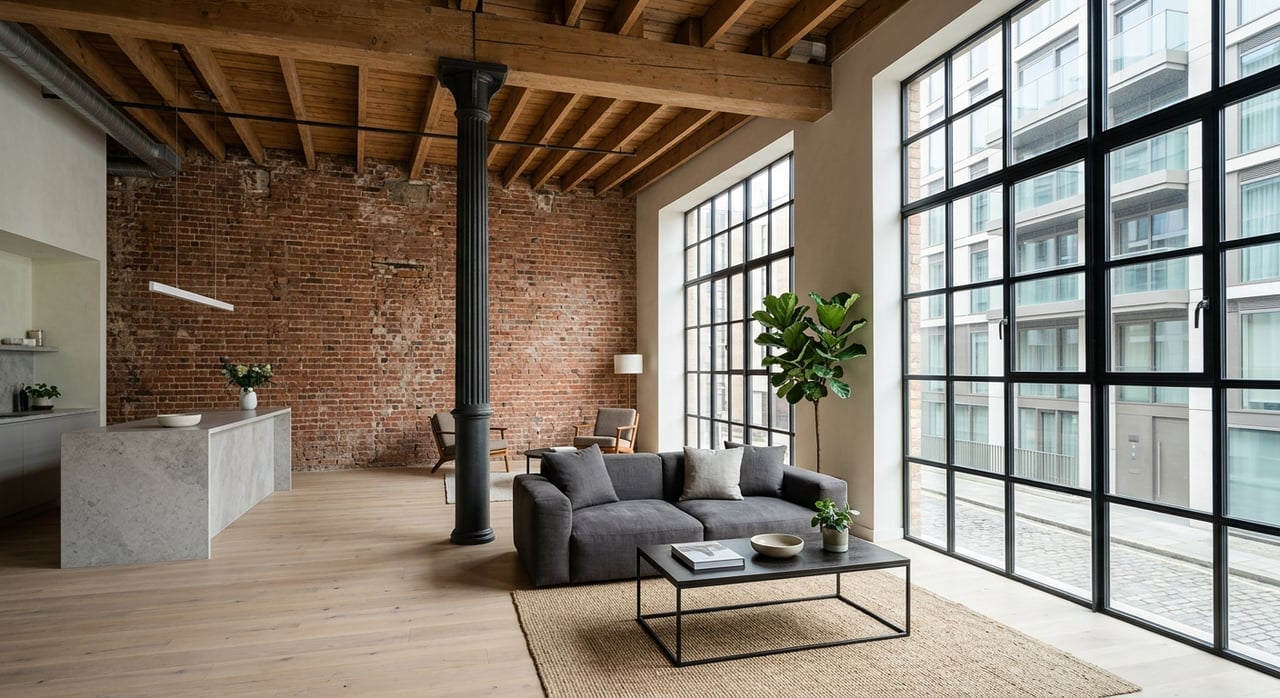
If you are choosing between a classic loft and a newer luxury building in downtown Manhattan, SoHo and Tribeca can feel like two different answers to the same question. You may want soaring ceilings, privacy, and architectural character, or you may be focused on service, amenities, and a more turnkey lifestyle. This guide breaks down how loft conversions compare with newer luxury towers in SoHo and Tribeca, what each option tends to offer, and how to think about value, daily living, and long-term fit. Let’s dive in.
Why SoHo and Tribeca Feel Different
SoHo is still defined by its historic loft fabric. According to StreetEasy’s SoHo neighborhood profile, many buildings began as former textile factories, and city planning materials note that the area includes the world’s largest collection of cast-iron-faced buildings, with many structures dating to the 1850s through 1880s.
That historic context matters when you compare housing options. The city’s SoHo and NoHo planning guidance explains that while older zoning once allowed unlimited-height towers, newer rules use contextual building envelopes, and within historic districts, new construction is intended to match the neighborhood’s prevailing low-rise loft scale. In simple terms, true towers are much rarer in core SoHo because the built environment and regulatory framework both support a lower-rise streetscape.
Tribeca also has deep industrial roots, but its housing stock is somewhat more varied. City materials describing the Tribeca East and South historic districts note 5-story store-and-loft buildings from the mid-19th century and explain that residential conversions took off in the 1970s and 1980s as warehouse spaces were adapted for living. That mix helps explain why Tribeca can offer both authentic loft inventory and more full-service luxury product nearby.
Loft Conversions: What You Are Really Buying
A loft conversion usually appeals to buyers who care about space that feels singular rather than standardized. In both SoHo and Tribeca, representative listings highlight the features that define the category: open layouts, oversized windows, keyed elevator access in some buildings, full-floor or near full-floor living, and ceiling heights around 12 to 13 feet or more.
For example, recent listing examples in the research include a SoHo condo at 48 Mercer Street with 13-foot ceilings, a Tribeca loft at 119 Chambers Street with ceilings over 12 feet, and a Tribeca loft at 195 Hudson Street with 12-foot ceilings and exposed concrete columns. Those details point to what loft buyers often value most: volume, texture, and a sense of architectural authenticity.
The main advantages of loft living
When you buy a loft conversion in SoHo or Tribeca, you are often prioritizing:
- Character tied to original industrial architecture
- Ceiling height that can feel dramatic and rare
- Large, open rooms with flexible layouts
- Boutique scale with fewer neighbors
- Scarcity, especially in highly sought-after blocks and buildings
In practical terms, a loft often feels more bespoke. Materials, proportions, window patterns, and floor plans can vary widely from one building to the next, which is part of the appeal.
The tradeoffs to expect
That same individuality can come with compromises. StreetEasy notes that many SoHo homes are in walk-ups or boutique co-ops, and vacancy and turnover are low. Depending on the building, you may have fewer staff, less common amenity space, and a less turnkey daily experience than you would in a newer full-service property.
That does not mean loft living is less luxurious. It means the luxury is often expressed differently. Instead of a large amenity package, the value may be in a private landing, keyed elevator, oversized entertaining rooms, or a one-of-a-kind interior volume that is hard to duplicate in new construction.
New Luxury Towers: What They Offer Instead
Newer luxury towers in Tribeca and nearby downtown areas generally trade industrial character for consistency, services, and broader amenity offerings. The homes are often designed for buyers who want polished finishes, predictable layouts, strong building infrastructure, and staff support built into daily life.
Examples in the research show what that looks like in practice. 70 Vestry offers concierge and doorman service, a wellness suite, and more than 12,000 square feet of amenities. One Hundred Barclay is highlighted for 10-foot ceilings plus more than 40,000 square feet of common space, including a lap pool, spa, and 24-hour doorman and concierge.
Tower residences can still feel generous. Research examples point to ceiling heights that often range from about 10 feet to over 12 feet in high-end developments. The difference is that the experience tends to be more uniform, while converted lofts often feel more distinctive from one unit to another.
The main advantages of tower living
A newer luxury tower often makes sense if you value:
- Full-service staffing, such as concierge and doorman coverage
- Amenity access, which may include wellness, fitness, pool, and lounge spaces
- Turnkey finishes and newer building systems
- Predictability in layout and operations
- Lifestyle convenience for part-time or relocation buyers
For many buyers, especially those balancing multiple residences or demanding schedules, that convenience is not a small detail. It is a major part of the value equation.
Privacy: Loft vs Tower
Privacy is one area where the comparison gets more nuanced. A luxury tower may provide privacy through staffing, controlled access, and well-managed common areas, but lofts can compete in a very different way.
In some converted buildings, keyed elevator access or private landings create a highly discreet arrival experience. If your definition of privacy is about entering directly into your home and limiting neighbor interaction, a loft can feel exceptionally private even without a large service staff.
The real distinction is often this: lofts may offer stronger unit-level privacy, while towers may offer stronger building-level service and operational support. Which matters more depends on how you live.
Why Towers Are Rarer in SoHo
If you have wondered why SoHo has fewer true towers than Tribeca or the Financial District, the answer starts with both history and planning. SoHo’s identity is tied to its cast-iron loft buildings, and the area’s historic districts preserve that visual character.
City planning guidance also makes clear that new construction in these historic areas is meant to align with the prevailing lower-rise context rather than introduce a wave of tall tower development. That is one reason buyers searching for a classic tower experience often find more options in Tribeca or nearby FiDi than in core SoHo.
Market Positioning and Value Trends
Both SoHo and Tribeca remain among Manhattan’s highest-priced neighborhoods, but they are known for slightly different strengths. According to StreetEasy’s 2025 year-in-review, SoHo ranked as New York City’s most expensive sales neighborhood at a median asking price of $3,995,000, while Tribeca ranked as the most expensive rental neighborhood at $7,900.
On StreetEasy’s current neighborhood pages, SoHo shows a median sale price of $3.4 million and a median base rent of $5,995, while Tribeca shows a median sale price of $3.5 million and a median base rent of $7,897. The exact metric can vary by timeframe, but the larger point is consistent: both neighborhoods command premium pricing.
Do lofts or towers hold value better?
There is no one-size-fits-all answer, but the available neighborhood data points to different resale strengths. In SoHo, low vacancy and low turnover can support scarcity. In Tribeca, renovated warehouses and light-filled lofts have long achieved some of the highest prices per square foot in the city.
That suggests exceptional lofts may benefit from authenticity and limited supply, while newer towers often compete through views, services, finishes, and amenity packages. In other words, both can perform well, but they appeal to buyers in different ways and may attract different demand pools over time.
A Quick Comparison
| Factor | Loft Conversion | New Luxury Tower |
|---|---|---|
| Architecture | Historic, industrial, highly individual | Contemporary, polished, more uniform |
| Ceiling heights | Often 12 to 13+ feet | Often 10 to over 12 feet |
| Layouts | Open, expansive, sometimes full-floor | More standardized, efficient |
| Privacy | Keyed elevators, boutique scale | Staffed access, managed common areas |
| Services | Often limited, building dependent | Usually broader full-service offering |
| Amenities | Typically modest | Often extensive |
| SoHo availability | Common product type | Relatively rare in core SoHo |
| Tribeca availability | Strong presence | Stronger than SoHo for tower living |
When a Loft Makes More Sense
A loft may be the better fit if you want a home that feels architecturally specific and hard to replicate. Buyers who care about ceiling volume, original details, boutique scale, and scarcity often find that a true loft delivers an experience that newer product cannot fully imitate.
It can also be the right move if your version of luxury is less about building amenities and more about private, expansive living space. For some buyers, one keyed elevator opening into a full-floor home feels more compelling than a long list of shared facilities.
When a Tower Makes More Sense
A new luxury tower may be the better fit if you want predictability, support, and convenience built into everyday life. If you value concierge service, wellness spaces, modern systems, and a more turnkey ownership experience, the tower model can be easier to live with, especially if you split time between cities.
That can be especially relevant for relocation buyers or buyers accustomed to amenity-rich condominium living. In Tribeca, that lifestyle is easier to find than in the historic core of SoHo.
Should You Consider FiDi Instead?
If your priority is newer construction and a larger supply of luxury towers, the Financial District is a useful nearby comparison point. StreetEasy’s Financial District profile notes that the neighborhood has more luxury-tier condos and rentals coming to market, and current pricing there is lower than in SoHo and Tribeca, with a median sale price of $1.1 million and median base rent of $4,695.
FiDi is not a substitute for SoHo or Tribeca in terms of built character, but it can be a practical option if you want downtown access, a newer building, and a different price point. For some buyers, that tradeoff is worth serious consideration.
How to Decide Between the Two
The right choice usually comes down to what you want your home to do for you every day. If you want architectural presence, scale, and rarity, start with loft conversions. If you want service, amenities, and a smoother lock-and-leave lifestyle, focus on newer luxury towers.
In SoHo and Tribeca, neither path is inherently better. They simply reflect different definitions of luxury. If you are weighing the tradeoff between character and convenience, working with an advisor who understands both product types can help you narrow the field quickly and avoid expensive mismatches.
If you are exploring luxury property in New York City and want a more tailored perspective on lofts, full-service condominiums, or cross-market opportunities, connect with Edward Pitlake for a private consultation.
FAQs
Why are luxury towers rarer in SoHo than in Tribeca?
- SoHo’s historic cast-iron building stock and contextual planning rules support a lower-rise loft scale, which makes true towers less common in the neighborhood’s core.
Do SoHo and Tribeca loft conversions usually have higher ceilings than new towers?
- Often, yes. Research examples show loft ceilings commonly around 12 to 13 feet or more, while newer luxury towers often range from about 10 feet to over 12 feet.
Does a keyed elevator in a loft feel as private as a luxury tower?
- It can, especially at the unit level. A keyed elevator or private landing can create a very discreet arrival experience, even if the building has fewer services overall.
Are services in SoHo loft buildings usually more limited than in newer towers?
- In many cases, yes. SoHo housing often includes walk-ups and boutique co-ops, while newer towers in Tribeca more often provide doorman, concierge, and larger amenity packages.
Which is better for resale in SoHo and Tribeca: a loft or a tower?
- It depends on the property. Lofts can benefit from scarcity and authenticity, while towers often attract buyers looking for views, amenities, and turnkey convenience.