Wondering whether an Aventura condo can work as both a winter retreat and a smart investment? It can, but the right structure matters as much as the right view. If you are weighing seasonal enjoyment against rental income and long-term resale, the key is to look past finishes and amenities and focus on the building’s rules, financial health, and carrying costs first. Let’s dive in.
Why Aventura deserves a closer look
Aventura offers something many seasonal buyers want: a condo-focused market with plenty of choices. In 2025, the city recorded 1,213 active condo and townhome listings, 760 closed sales, and 20.8 months of supply, with a 125-day median time to contract. Sellers received 89.3% of original list price on average, which points to a market where buyers may have room to negotiate.
That slower pace matters if you are buying with both lifestyle and investment goals in mind. More inventory can create opportunity on the front end, but it can also mean a slower resale cycle later. In other words, your purchase structure should account for both your enjoyment of the property and your eventual exit strategy.
Start with your real goal
Before you evaluate buildings, get clear on how you plan to use the condo. A seasonal-use purchase should be structured differently from an income-first investment, even when both goals are in play.
Seasonal use first
If you mainly want a home for part of the year, the building’s lease rules need to match your actual travel pattern. That includes the minimum lease term, any cap on the number of rentals per year, and whether association approval is required before a tenant can move in.
This matters because in Florida, rental restrictions are largely controlled by the condominium declaration, bylaws, and rules. A later amendment that bans renting, shortens rental terms, or limits the number of rentals does not automatically apply to every owner. Under Florida law, those changes apply to owners who consented and to buyers who take title after the amendment becomes effective.
That means your rental flexibility needs to exist when you close. Hoping a building will become more rental-friendly later is not a reliable strategy.
Investment first
If income is the main priority, look for buildings with flexible rental rules and a cleaner financial and inspection profile. In Aventura’s slower-moving market, those factors can support both rental optionality and future resale liquidity.
For many buyers, the best building is not the one with the flashiest amenity package. It is the one with predictable governance, solid records, and fewer hidden cost surprises.
The condo documents matter more than the brochure
In Florida, the documents control most of the story. The prospectus or offering circular must explain unit-use restrictions and provide assessment and budget information in readable form.
That is why serious due diligence starts with the paper trail. You want to know what the association allows, what it charges, and what obligations may be waiting after closing.
What to review before you commit
Ask for and review the following early in the process:
- Declaration, bylaws, and current rules
- Current budget and regular assessment amount
- Any special assessment schedule
- Latest financial reports
- Structural integrity reserve study, if applicable
- Milestone inspection reports, if applicable
- Estoppel certificate
- Information on board approval requirements
- Information on transfer or resale fees
- Any right of first refusal, if applicable
Florida law also requires associations to maintain official records, including financial reports, inspection reports, contracts, permits, and reserve-related documents, and to make them available to owners within 10 working days after a written request. For a buyer planning seasonal use and possible rentals, these records are not just administrative details. They are part of the investment case.
Why the estoppel certificate is so important
During a purchase, one of the most useful documents is the estoppel certificate. In Florida, it can identify the regular assessment, special assessments, transfer or resale fees, violations, insurance contacts, whether board approval is required, and whether a right of first refusal exists.
The association has 10 business days to issue the estoppel certificate, and the fee is capped at $250 for a clean file, with limited added charges for expedited or delinquent files. For buyers, this document helps confirm the true ownership picture before closing, not after.
It also highlights potential friction points if you plan to lease the unit. Florida law allows associations to disapprove a proposed lease if the owner is delinquent on assessments, which underscores why clean financial standing matters if rental income is part of your plan.
Carrying costs can reshape the deal
The purchase price is only part of the math. In Aventura, carrying costs deserve close attention because they can shift the economics of a seasonal-use and investment strategy very quickly.
HOA dues and assessment risk
Association assessments are mandatory. Florida law makes the unit owner liable for assessments and gives the association a lien for unpaid amounts. If the governing documents allow it, interest and late fees may apply. If no interest rate is stated, delinquent assessment interest accrues at 18% per year, and late fees can be up to the greater of $25 or 5% of each delinquent installment.
For you, that means HOA budgeting is not a side note. It is a core underwriting issue.
Older buildings need extra scrutiny
For many Aventura condos, age matters. Florida requires milestone inspections for condominium and cooperative buildings that are three habitable stories or higher when they reach 30 years of age, and every 10 years after that. The timing can move up to 25 years if the local enforcement agency determines that coastal or local conditions justify earlier review.
Florida also requires residential condominium associations for 3-plus-story buildings to complete a structural integrity reserve study every 10 years. The study covers major components such as the roof, structure, fire protection, plumbing, electrical systems, waterproofing, windows and doors, and other qualifying items with deferred maintenance or replacement cost above the statutory threshold.
Existing associations controlled by unit owners were required to complete the study by December 31, 2025, or by December 31, 2026 if the study was completed alongside a required milestone inspection. If a building has thin reserves, unfinished inspection work, or pending repairs, a listing with a low monthly HOA may not stay low for long.
Model taxes and cash flow realistically
If you are buying for part-time use, do not assume owner-occupant tax treatment. Miami-Dade says the homestead exemption requires the property to be your permanent residence as of January 1. Florida’s general rule is similar, and the exemption can reduce taxable value by as much as $50,000.
For most second-home or investment condo buyers, that means modeling the property as non-homestead. This can materially affect annual carrying costs.
Cash flow expectations also need to be grounded in current market reality. As of March 2026, Miami-Dade’s median condo and townhome PITI was $3,560, while the county’s median multifamily asking rent was $2,680. That is not an Aventura-specific rent figure, but it does suggest that a financed condo purchase may not produce simple monthly cash flow unless you bring substantial equity or secure rents above the county median.
Financing needs to be checked early
If you plan to finance the purchase, confirm project eligibility at the start. In South Florida, buyers cannot assume every attractive condo building will work with every loan program.
That point matters in a market where cash plays a major role. MIAMI REALTORS® reported that more than 70% of Miami-Dade million-dollar condo and townhome sales in 2025 were all-cash. The same reporting also noted that FHA approval was scarce across much of the South Florida condo stock reviewed.
If you need financing, your shortlist should include buildings that can support that path. If you are a cash buyer, you still need to think about liquidity, future resale demand, and total carrying costs.
A practical way to structure the purchase
The strongest strategy is usually to rank buildings by functional fit before emotional appeal. A well-structured Aventura condo purchase should balance four core questions:
1. Do the rental rules fit your schedule?
If you want to occupy the condo in season and rent it when you are away, the lease term and rental cap must align with that pattern. If they do not, the unit may fail your goals even if everything else looks attractive.
2. Is the building financially prepared?
Review the budget, reserves, any special assessments, and the reserve study if one applies. A building with a cleaner financial profile may offer more predictable ownership costs.
3. Is the inspection story clear?
For older towers, ask for milestone inspection reports and the latest structural integrity reserve study. You want to understand whether major repairs or reserve increases may affect your near-term ownership costs.
4. Will the unit be easy to resell?
In a market with 20.8 months of supply and a slower average pace, resale liquidity matters. Buildings with stronger governance, fewer financial surprises, and flexible rental structures may appeal to a broader pool of future buyers.
The bottom line for Aventura buyers
Aventura can make sense for a buyer who wants both seasonal enjoyment and investment potential, but only when the condo is structured around real-world use. In this market, the smartest purchase is often the building whose documents, reserves, inspection status, and carrying costs line up with your plan.
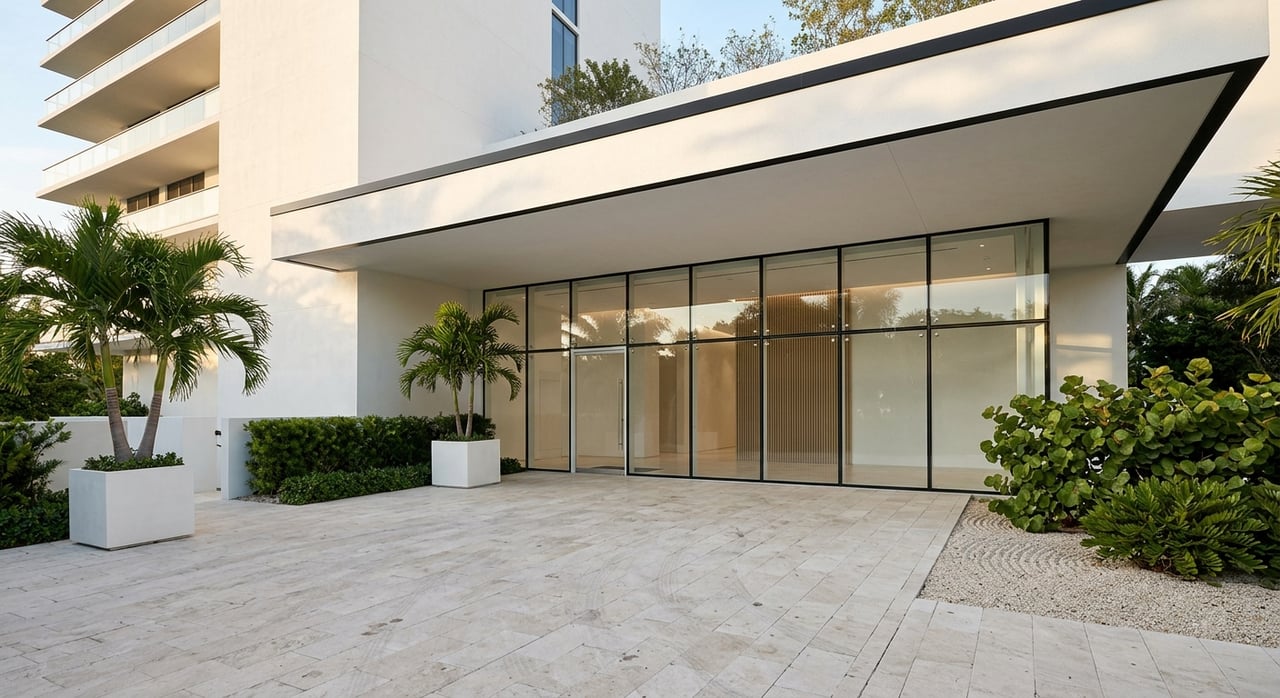
Views and amenities still matter, especially in the luxury condo space. But if you want a property that works well for both personal use and long-term strategy, the governing documents and financial profile deserve your attention first.
If you are weighing a seasonal condo purchase with investment goals in South Florida, a tailored review of the building, documents, and ownership costs can make all the difference. To discuss your options with a discreet, senior-level advisor, connect with Edward Pitlake.
FAQs
What rental rules matter most for an Aventura condo purchase?
- The key rules are the minimum lease term, any cap on the number of rentals per year, whether board approval is required, and whether the association has the right to disapprove a lease under certain conditions.
What documents should you review before buying an Aventura condo for seasonal use?
- You should review the declaration, bylaws, current rules, budget, financial reports, estoppel certificate, any special assessment information, and for older buildings, the latest milestone inspection and structural integrity reserve study.
How do condo assessments affect an Aventura investment property?
- Assessments are mandatory owner costs, and unpaid amounts can lead to interest, late fees, and an association lien, so they need to be included in your underwriting from the start.
Does a second-home condo in Miami-Dade usually qualify for homestead exemption?
- No. Miami-Dade says homestead exemption requires the property to be your permanent residence as of January 1, so a seasonal or investment condo is usually modeled as non-homestead.
Is financing harder for some South Florida condo buildings?
- Yes. Project eligibility should be checked early because buyers cannot assume every condo building will qualify for every loan program, and FHA approval has been reported as limited across much of the South Florida condo stock reviewed.
Why is resale liquidity important when buying an Aventura condo?
- Aventura had 20.8 months of supply in 2025 and a 125-day median time to contract, so buyers should consider not only how they plan to use the condo now, but also how easy it may be to sell later.