If you are weighing condo living in downtown Manhattan, Chelsea and Greenwich Village can look close on a map but feel very different in daily life. One leans into galleries, waterfront access, and a broader mix of newer residential product, while the other is shaped by historic streets, park-centered routines, and smaller-scale buildings. Understanding those differences can help you focus on the kind of home, building, and neighborhood rhythm that fits you best. Let’s dive in.
Chelsea vs Greenwich Village
Chelsea and Greenwich Village both offer classic downtown convenience, strong transit access, and a walkable lifestyle. Still, they tend to attract buyers for different reasons.
Chelsea is widely recognized as Manhattan’s art district, with the High Line, Chelsea Market, nightlife, performing arts, and a dense gallery presence, especially between West 18th and West 27th Streets and 10th and 11th Avenues. Official city planning materials tied to West Chelsea also point to a built environment that includes loft-like forms, lower streetwall buildings, and tower-on-base residential buildings.
Greenwich Village has a different identity. It is closely tied to Washington Square Park, a long cultural history, and a preserved street-level character. The Greenwich Village Historic District, designated in 1969, spans more than 2,000 buildings across 65 blocks, making it the largest historic district in New York City.
For condo buyers, that often translates into a practical contrast. Chelsea may offer more new-development and amenity-forward options, while Greenwich Village often emphasizes architectural character, adaptive reuse, and the feel of the block itself. That is not a hard rule, but it is a useful framework when you begin your search.
What condo ownership means in New York
Before comparing neighborhoods, it helps to understand what owning a condo in New York actually means. In a condominium, you own your unit outright and also hold an interest in the common elements of the building.
According to the New York Attorney General, condo owners pay common charges and may mortgage their units separately. That structure is one reason condos appeal to many buyers who want deeded ownership and a straightforward ownership model.
This differs from a co-op. In a co-op, you buy shares in a corporation, and those shares are tied to a proprietary lease for the apartment rather than direct ownership of the unit itself.
That distinction matters in daily decision-making. Condo ownership is generally more unit-based, while co-op ownership is more corporation-and-lease-based. If you are comparing the two, this is one of the most important differences to understand early.
How condo boards compare to co-op boards
One of the biggest questions buyers ask is how much control a condo board has. In general, condo boards tend to have less control over buyer approval than co-op boards.
The New York Attorney General’s condo regulations state that a condo board generally does not have the right to approve or disapprove purchasers unless the offering plan provides otherwise. The same regulations also note that there is no limit on how many owners may buy for investment rather than personal occupancy unless the plan imposes restrictions.
That does not mean every condo building operates the same way. Building rules, fees, and use restrictions can still vary meaningfully from one property to another. It does mean you should review the actual offering plan and building documents rather than assume all downtown condos work alike.
Chelsea condo living
Chelsea often appeals to buyers who want a more contemporary west-side experience. The neighborhood blends culture, dining, and waterfront access in a way that can make everyday life feel active and connected.
NYC Tourism describes Chelsea as a place for gallery-hopping, the High Line, Chelsea Market, nightlife, and performing arts. That mix gives the neighborhood a strong lifestyle identity that goes beyond the apartment itself.
Chelsea also benefits from a major stretch of Hudson River Park. Its section runs from West 17th Street to West 34th Street and includes Chelsea Piers, Chelsea Waterside Park, the Pier 62 carousel and skatepark, Pier 63 and Pier 64 lawns, and the Pier 66 waterfront area.
For many condo buyers, that matters because access to open space changes how a neighborhood lives day to day. Whether you want a quick waterfront walk, recreation options, or easy access to the riverfront, Chelsea offers a broad range of choices.
What buildings often look like in Chelsea
Chelsea’s condo inventory can vary by block and building era. In West Chelsea especially, official planning materials support the idea of a neighborhood with residential growth that includes loft-like buildings and larger residential forms.
That helps explain why buyers often find a mix of boutique condos, loft conversions, and newer full-service buildings here. If you are looking for a building with a more extensive amenity package, Chelsea may offer more options, especially near West Chelsea and the High Line.
At the same time, not every Chelsea condo is a large amenity tower. Some buildings are smaller, more design-driven, or rooted in older industrial or loft character. The best approach is to think in micro-locations rather than broad neighborhood labels alone.
Greenwich Village condo living
Greenwich Village offers a condo experience that often feels more tied to history, streetscape, and neighborhood rhythm. For many buyers, the appeal is less about building scale and more about context.
NYC Tourism describes Washington Square Park as the heart of the neighborhood and highlights the area’s poetry and music history. That kind of cultural identity shapes how the Village feels on foot, from its park-centered routes to its restaurant and evening activity.
The neighborhood also benefits from open space beyond Washington Square Park. Hudson River Park’s Greenwich Village section includes Pier 40, Pier 45, Pier 46, Pier 51, ballfields, tennis, a dog run, public art, dining, and riverfront lawns.
That combination gives you two different outdoor anchors. You have the iconic neighborhood park inland and a continuous waterfront park system to the west.
Is Greenwich Village all historic low-rise stock?
No. Historic fabric is a major part of the neighborhood, but it is not the whole story.
The Landmarks Preservation Commission notes not only the scale of the Greenwich Village Historic District, but also later adaptive reuse and new construction within the broader neighborhood context. In practical terms, that means condo inventory can include converted character buildings, adaptive-reuse opportunities, and newer infill buildings.
If you are searching here, expectations matter. You may find that charm, layout, and building personality play a bigger role in your decision than a long amenity list. For some buyers, that is exactly the point.
Lifestyle differences that shape your decision
When buyers compare Chelsea and Greenwich Village, the apartment is only part of the equation. Your day-to-day routine often decides which neighborhood feels right.
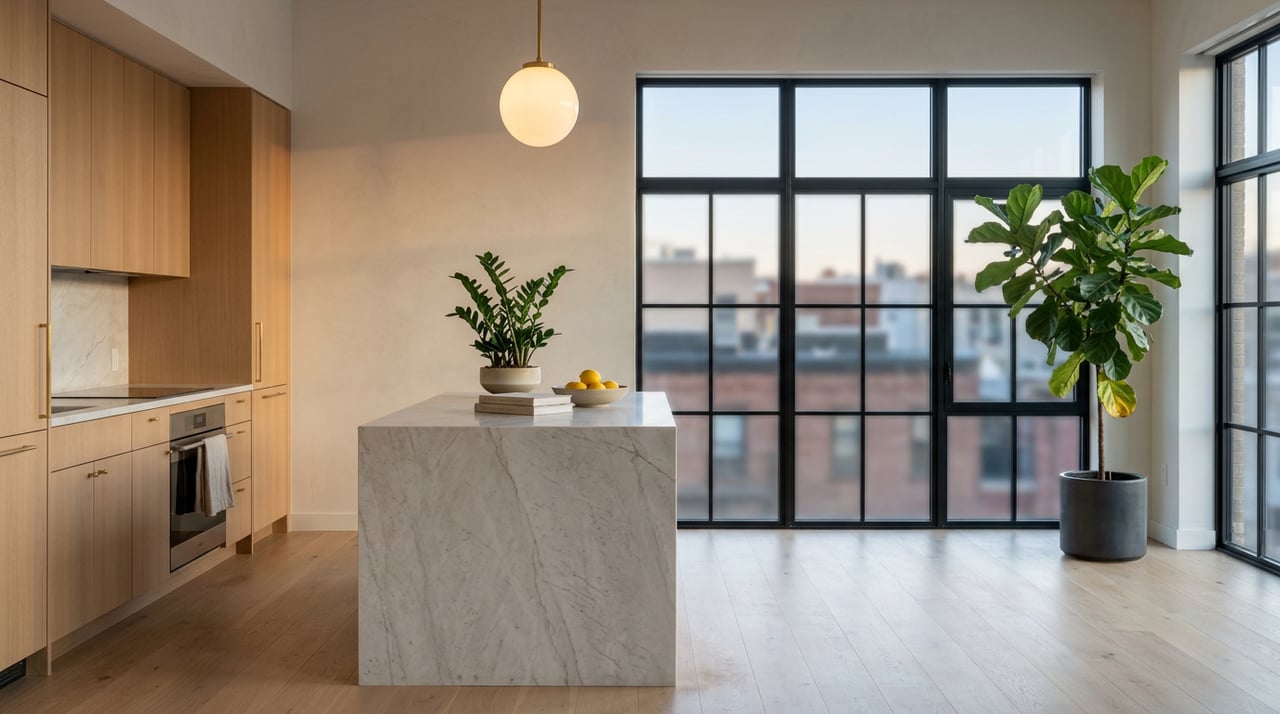
Chelsea may suit you if you value proximity to galleries, the High Line, larger waterfront recreation areas, and a stronger chance of finding newer condo product. The neighborhood often feels visually contemporary in parts of West Chelsea, with a built environment that reflects more recent planning and development patterns.
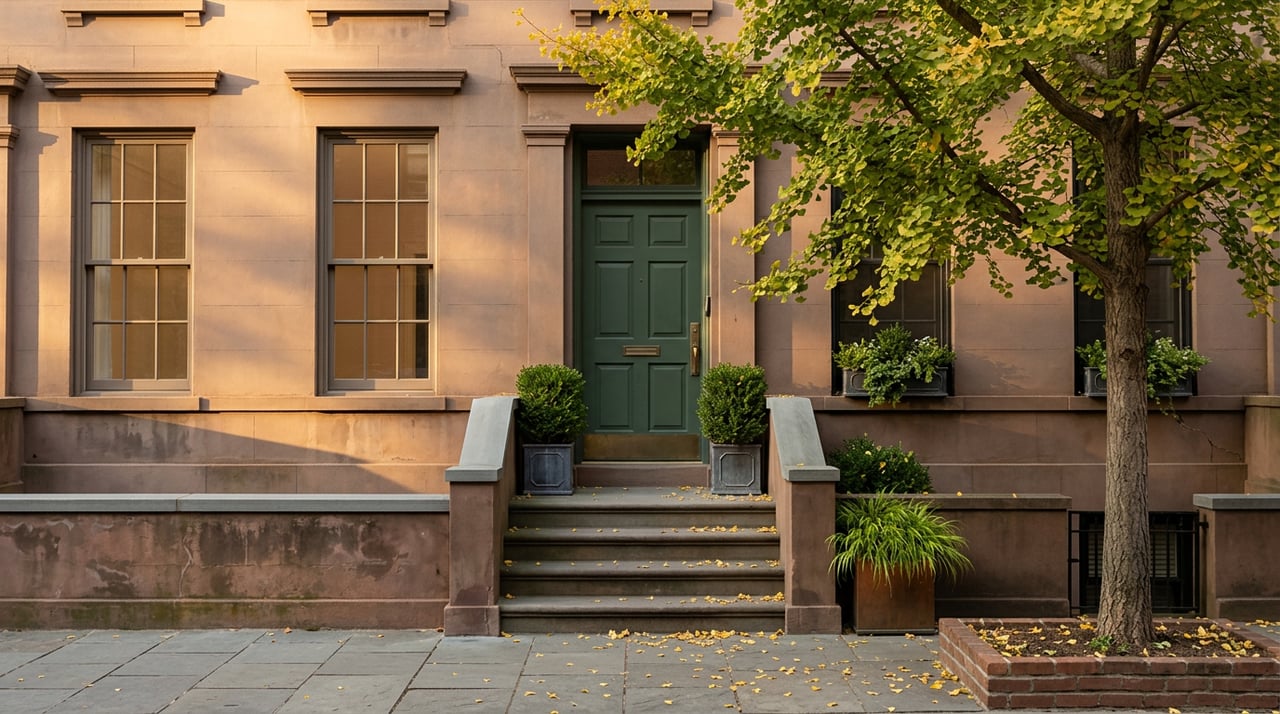
Greenwich Village may suit you if you want a more historic streetscape, a park-centered daily routine, and a neighborhood where dining, music, and street life are central to the experience. Its value proposition is often tied to place, not just property.
Neither choice is inherently better. It depends on whether you want a more amenity-driven condo search, a more character-driven search, or a blend of both.
Transit and car-free convenience
Both neighborhoods benefit from strong subway access, which remains a major part of their appeal. If you expect to move around Manhattan without relying on a car, either location supports that lifestyle well.
Chelsea sits near major multi-line subway hubs, including 14 St–8 Av on the A, C, and E, and 14 St–Union Sq on the L, 4, 5, 6, N, Q, R, and W. Greenwich Village centers on W 4 St–Washington Sq, another key downtown connector.
For buyers, that means daily convenience is not just about the building. It is also about how quickly you can reach other parts of downtown, Midtown, and beyond.
What to review before buying a condo
No matter which neighborhood you prefer, diligence is essential. This is especially true in older buildings, converted buildings, and any property where amenities or sponsor promises are part of the appeal.
The New York Attorney General advises buyers to read the full offering plan and consult an attorney before signing. For new construction, promised amenities are enforceable only if they are included in the offering plan.
For conversions and existing buildings, the review process should go deeper. The Attorney General recommends reviewing board minutes, financial reports, and inspection information, especially since façade, roof, elevator, plumbing, boiler, and electrical issues can be expensive.
A simple review checklist includes:
- The full offering plan
- Building financial reports
- Board minutes
- Engineer or inspection reports, when available
- Disclosures regarding defects or building conditions
- Details on common charges and building rules
In a market like downtown Manhattan, careful review protects both your lifestyle expectations and your long-term ownership experience.
Choosing between Chelsea and Greenwich Village
If you are deciding between the two, start with how you want to live rather than with a list of building features alone. Chelsea often tells a more west-side, gallery-heavy, newer-development story. Greenwich Village often tells a more historic, streetlife-driven, park-centered story.
From there, narrow your search by building type, block, and ownership terms. A boutique condo in Chelsea may feel very different from a full-service one nearby, just as a Village conversion may offer a very different experience from a newer infill building.
The strongest decisions usually come from pairing neighborhood fit with careful document review. When you do that, you can move beyond broad labels and focus on the condo that truly aligns with your goals.
If you are considering a condo in Chelsea or Greenwich Village and want a discreet, high-touch perspective on downtown inventory, Edward Pitlake can help you evaluate the neighborhood, building, and ownership details with clarity.
FAQs
What does condo ownership mean in New York City?
- In New York, condo ownership means you own your unit outright, hold an interest in the common elements, pay common charges, and may mortgage your unit separately.
How is a condo different from a co-op in Chelsea or Greenwich Village?
- A condo is deeded, unit-based ownership, while a co-op involves buying shares in a corporation that are tied to a proprietary lease for the apartment.
Are Chelsea condo buildings usually full-service?
- Often they are, especially in newer West Chelsea and High Line-adjacent buildings, but Chelsea also includes loft conversions and smaller boutique condos, so amenities vary by property.
Is Greenwich Village only made up of historic low-rise condo buildings?
- No. While historic context is a major part of Greenwich Village, the area also includes adaptive reuse and later new construction.
What should you review before buying a condo in downtown Manhattan?
- You should review the offering plan, board minutes, financial reports, and available inspection or engineering information, especially in older or converted buildings.
Which neighborhood offers better park access, Chelsea or Greenwich Village?
- Both benefit from Hudson River Park, while Greenwich Village also has Washington Square Park, giving each neighborhood strong but different types of outdoor access.