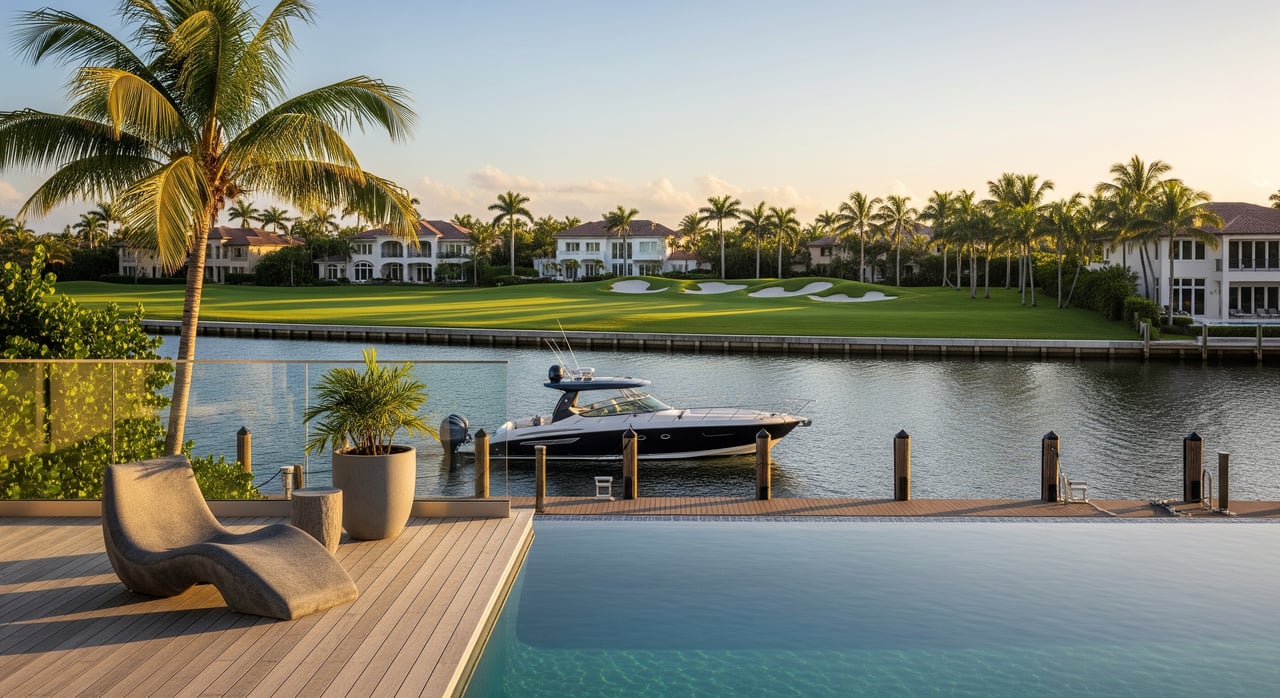
Torn between waking up to the Intracoastal and teeing off before lunch? If you are eyeing Jupiter for a second home or a relocation, that decision often comes down to lifestyle, costs, and long-term ownership details. You want clear answers before you commit. In this guide, you will compare waterfront and golf communities in Jupiter so you can choose with confidence and plan your due diligence like a pro. Let’s dive in.
Jupiter at a glance
Jupiter sits on Florida’s Atlantic coast with direct access to the Intracoastal Waterway, Jupiter Inlet, and the ocean. The town blends oceanfront, inlet, river, and canal homes with inland golf and country club developments. You are close to beaches, marinas, and regional services, plus major airports in Palm Beach County. For local services and permitting information, start with the Town of Jupiter official site.
Waterfront living: what to expect
Waterfront homes deliver direct water access, views, and a true boating lifestyle. You will focus on docks, lifts, terraces, and outdoor spaces designed for year-round use. Many waterfront streets are lower density and can feel more private. The tradeoffs can include smaller land footprints, higher exposure to coastal weather, and more involved permitting for shoreline work.
Common features:
- Deeded or leased boat slips and private docks.
- Seawalls or bulkheads that need periodic inspection and maintenance.
- Quick runs to the Intracoastal or inlet for fishing and water sports.
Key considerations:
- Flood and storm surge exposure is higher along the water. Check FEMA maps and elevation.
- Dock size, water depth, and bridge clearances set limits on boat size.
- Permitting timelines can affect dock and seawall projects.
Golf community living: what to expect
Golf communities center your day around the club. Expect dining, fitness, tennis or pickleball, and a steady calendar of events. You get manicured landscapes and architectural standards that keep streetscapes consistent. Many communities are inland or on higher ground, which can reduce direct coastal exposure, though flood zones still vary by parcel.
Common features:
- Organized social life and on-site amenities.
- Predictable maintenance standards through the HOA.
- Course, clubhouse, pool, and court access through a club structure.
Key considerations:
- Club dues are separate from HOA dues in many communities.
- Some clubs are mandatory membership, others are optional; read the documents before you buy.
- Special assessments can arise for course or facility upgrades.
Communities to know in Jupiter
You will find pure waterfront neighborhoods and golf-centric master plans, along with a few that mix both.
- Jupiter Inlet Colony offers an intimate inlet-front setting with walkable beach access. Many nearby streets feature canal or Intracoastal frontage with private docks.
- Admirals Cove is a large, upscale community known for its marina access combined with club amenities. It illustrates the mixed marina-plus-golf model.
- Jonathan’s Landing spans parts of Jupiter and nearby Tequesta and showcases a traditional golf-and-country-club environment with multiple courses and amenities.
These examples reflect typical options in the area. Exact features, membership structures, and fees vary by section and change over time, so verify current details through the association and the local MLS.
HOA and club basics in Florida
In Florida, the HOA and the club are often separate. The HOA sets community rules, architectural control, and common-area maintenance. The club governs golf and social amenities, with initiation fees and annual dues that differ by club.
- Condominiums are governed by Chapter 718. HOAs for planned communities are under Chapter 720. Cooperatives fall under Chapter 719. Review the Florida Statutes and each community’s governing documents.
- Ask whether club membership is mandatory or optional, whether it is equity or non-equity, and how transfers work at resale.
- Always review budgets, reserves, recent meeting minutes, insurance certificates, and assessment history before you write an offer.
Waterfront responsibilities and permitting
Owning on the water brings unique upkeep and permitting.
- Seawalls and bulkheads: Plan for periodic inspections and eventual repair or replacement. Work typically requires permits.
- Docks, lifts, and slips: Ownership can be deeded, leased from the association, or rented at a marina. Confirm recorded rights and boat size limits based on slip dimensions and depth.
- Permitting: Shoreline and dock work often involves Palm Beach County Environmental Resources Management and the Florida Department of Environmental Protection. Start with Palm Beach County’s Environmental Resources Management and the Florida DEP for process overviews.
- Flood risk: Use FEMA Flood Insurance Rate Maps to check zones and base flood elevations. The FEMA Flood Map Service Center is the best starting point.
- Long-term resilience: Review elevation certificates, drainage, reinforced seawalls, and placement of mechanical systems. Explore the NOAA Sea Level Rise Viewer for long-range scenarios.
Golf community maintenance and budgets
Well-run golf communities keep grounds and facilities in top shape through structured budgets.
- HOA fees often cover landscaping and common areas. Club budgets fund golf, dining, and athletic amenities.
- Equity and non-equity structures allocate costs differently. Large capital projects can result in special assessments.
- Flood exposure varies. Even inland parcels can be in flood zones, so confirm the status for any home you consider.
Insurance realities in Palm Beach County
Insurance differs by property type and location. Understanding the pieces helps you budget correctly.
- A homeowner’s policy covers the structure and contents. In Florida, wind or hurricane coverage can be separate depending on the carrier. Citizens Property Insurance remains a market participant for some owners; review resources at Citizens Property Insurance and the Florida Office of Insurance Regulation.
- Flood insurance is required by lenders for properties in high-risk zones and is available through the NFIP or private carriers. Premiums depend on elevation, flood zone, and mitigation measures.
- Waterfront owners often carry umbrella liability because of docks and higher activity exposure. Confirm what the association’s master policy covers versus owner responsibilities.
Cost and resale considerations
Both lifestyles can be excellent, but costs and buyer pools differ.
- Waterfront homes can command a premium and attract buyers focused on boating access and views. Resale depends on navigational factors, dockage, and condition of seawalls and lifts.
- Golf communities appeal to buyers who value social structure and consistent maintenance. Demand can come from local retirees, full-time residents, and out-of-state buyers.
- Rental rules vary. Some associations restrict short-term rentals, especially within club communities. Confirm both association rules and local ordinances before modeling income.
- Property taxes are set by the county appraiser. Second homes are typically non-homestead without homestead exemptions. Use the Palm Beach County Property Appraiser’s portal for estimates and records at the Palm Beach County Property Appraiser.
Quick decision framework
Choose a waterfront community if:
- You want immediate boat access, private docks, and water views.
- You are comfortable with seawall and dock upkeep and potentially higher insurance.
- You prize privacy and outdoor living focused on the water.
Choose a golf community if:
- You want structured social life, dining, and fitness under one umbrella.
- You prefer predictable maintenance standards and a manicured streetscape.
- You are comfortable with club dues and potential assessments for major facilities.
Consider a mixed marina-plus-golf community if:
- You want both boating and club life in one address.
- You are prepared to evaluate both sets of fees and rules together.
Due-diligence checklist for buyers
Use this list to streamline your process and reduce surprises.
- MLS listing, recent survey, and lot elevation data.
- Association CC&Rs, bylaws, rules, budgets, audited financials, reserve study, insurance certificates, and meeting minutes for the last 12 to 24 months.
- Club membership documents: initiation fees, dues, transfer policies, and whether membership is mandatory.
- Flood zone determination and any elevation certificate; confirm at the FEMA Flood Map Service Center.
- Insurance quotes for homeowners, wind or hurricane, flood, and umbrella liability.
- Seawall and dock records: last repair date, permits, and expected remaining life.
- Permits and environmental encumbrances: dredging history, mangrove or wetland restrictions, and required county or state permits.
- Rental policy and local ordinances for minimum lease terms and any short-term restrictions.
- Marina access details for waterfront: deeded slip status, depth limits, and navigational considerations from NOAA charts.
- Title search for riparian rights, easements, and covenants affecting water use.
When you are ready to compare specific addresses, connect for a confidential consultation and a curated short list aligned to your lifestyle and risk profile. For discreet guidance and white-glove coordination, reach out to Edward Pitlake. Schedule a Private Consultation.
FAQs
What is the difference between an HOA and a club in Jupiter communities?
- The HOA manages rules and common areas, while the club governs access to golf, dining, and social amenities; review the community documents and the Florida Statutes to understand your obligations.
How do I estimate flood insurance for a Jupiter waterfront home?
- Look up the property on the FEMA Flood Map Service Center, get the elevation certificate if available, and request quotes from NFIP and private carriers; premiums depend on zone, elevation, and mitigation.
Can I keep a large boat at a Jupiter property?
- It depends on your deeded or leased slip dimensions, navigational depth, and bridge clearances; confirm recorded rights and consult NOAA navigation charts for Jupiter.
Are golf club memberships usually mandatory in Jupiter communities?
- Policies vary; some communities require membership while others make it optional, so read the HOA and club agreements and confirm current fee schedules before you offer.
What should second-home buyers know about Palm Beach County property taxes?
- Second homes are typically non-homestead without homestead exemptions; verify assessed value, tax history, and estimates with the Palm Beach County Property Appraiser.
Is sea-level rise a concern for Jupiter waterfront real estate?
- It is a planning factor; review elevation, drainage, and resilience features and explore NOAA’s Sea Level Rise Viewer when assessing long-term risk.