Trying to choose between a walkable downtown condo and an oceanfront retreat in Boca Raton? You are not alone. Many New York buyers and high‑net‑worth clients face this exact decision when they bring their lives to South Florida. In this guide, you will get a clear comparison of lifestyle, amenities, costs, risk, and resale so you can decide with confidence. Let’s dive in.
Boca condo map at a glance
Boca Raton gives you two primary luxury condo settings. Downtown centers around Mizner Park, Royal Palm, and the surrounding mixed‑use core. It is compact and easy to navigate on foot, with dining, shopping, and cultural venues like the Mizner Park Amphitheater and the Boca Raton Museum of Art.
Beachfront living stretches along A1A near Spanish River and Red Reef Park and through the Boca Raton Resort & Club corridor. These buildings face the Atlantic and focus on privacy, views, and direct beach access. The beachfront tends to be linear and more car‑dependent for most errands beyond the strip.
If you are relocating from a dense city, downtown will feel familiar thanks to its walkability and access to services. If you want a resortlike lifestyle with ocean panoramas and a quieter daily rhythm, the beachfront will stand out.
Lifestyle tradeoffs
Downtown lifestyle
Downtown Boca offers an active social life with restaurants, shops, and cultural programming within a short walk. You can step out for coffee, a gallery event, or a concert at the amphitheater without planning a drive. Many residents live here year‑round, including professionals and downsizers who prefer easy access to business services and medical care.
Privacy varies by building. Boutique towers can deliver private elevators and discreet lobbies, while street‑front buildings may feel more connected to the urban flow. If you value energy and convenience, this setting works well.
Beachfront lifestyle
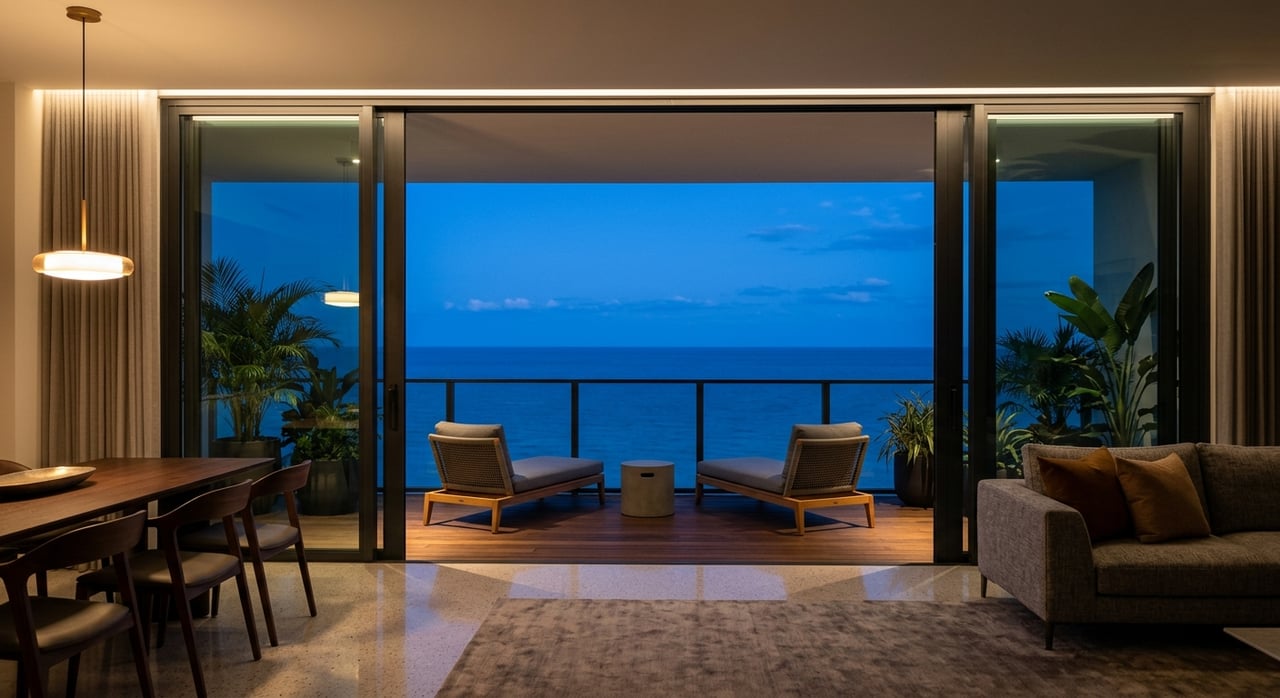
The beachfront emphasizes a retreat feel. You get direct beach access, ocean views, and an outdoor rhythm centered on the water. Buildings often highlight privacy, on‑site security, and a calm atmosphere at night.
Seasonal owners love this area, and many residents also live here full time. If your ideal day starts with the sunrise over the Atlantic and ends with a quiet dinner at home or at your club, beachfront living aligns with your goals.
Amenities and property features
Downtown amenities
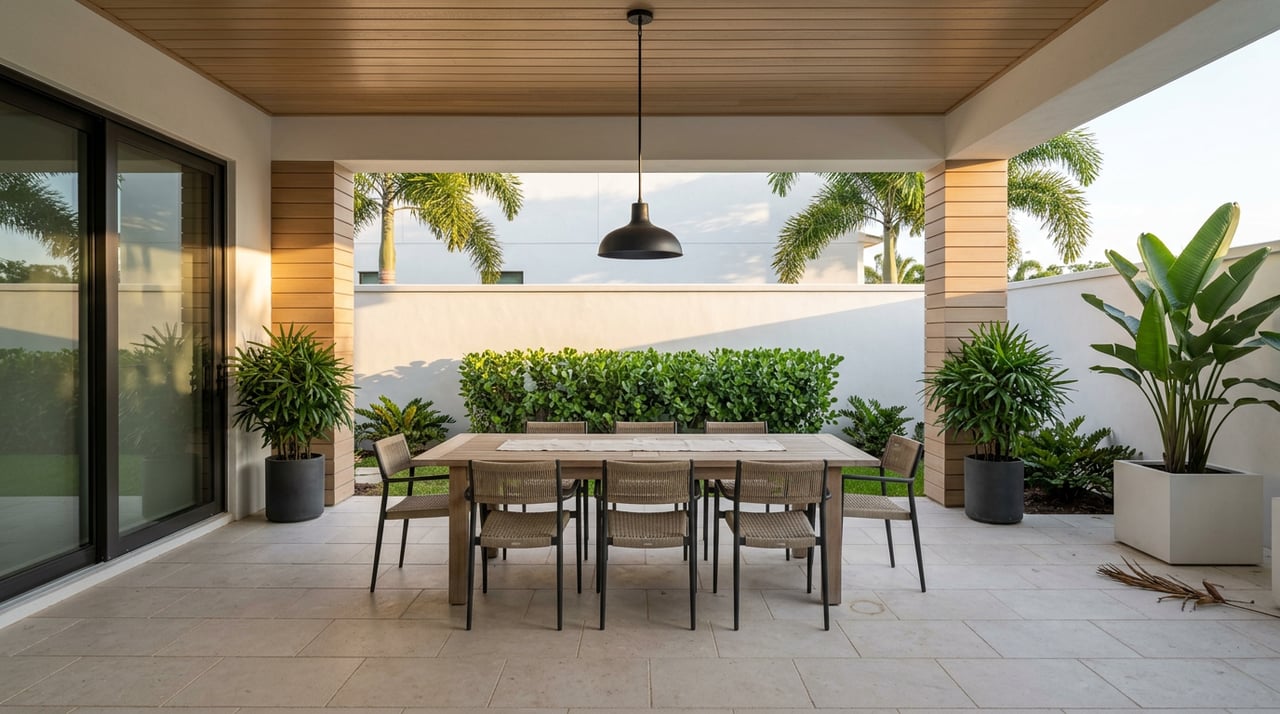
Downtown luxury buildings often prioritize social and wellness spaces. Expect concierge service, valet, fitness centers, rooftop or club terraces, and smaller pools or plunge pools that complement the urban setting. You also benefit from immediate proximity to dry cleaning, restaurants, and personal services.
Residences range from well‑appointed smaller units to substantial penthouses. Many communities lean into convenience and design, making daily living simple and efficient.
Beachfront amenities
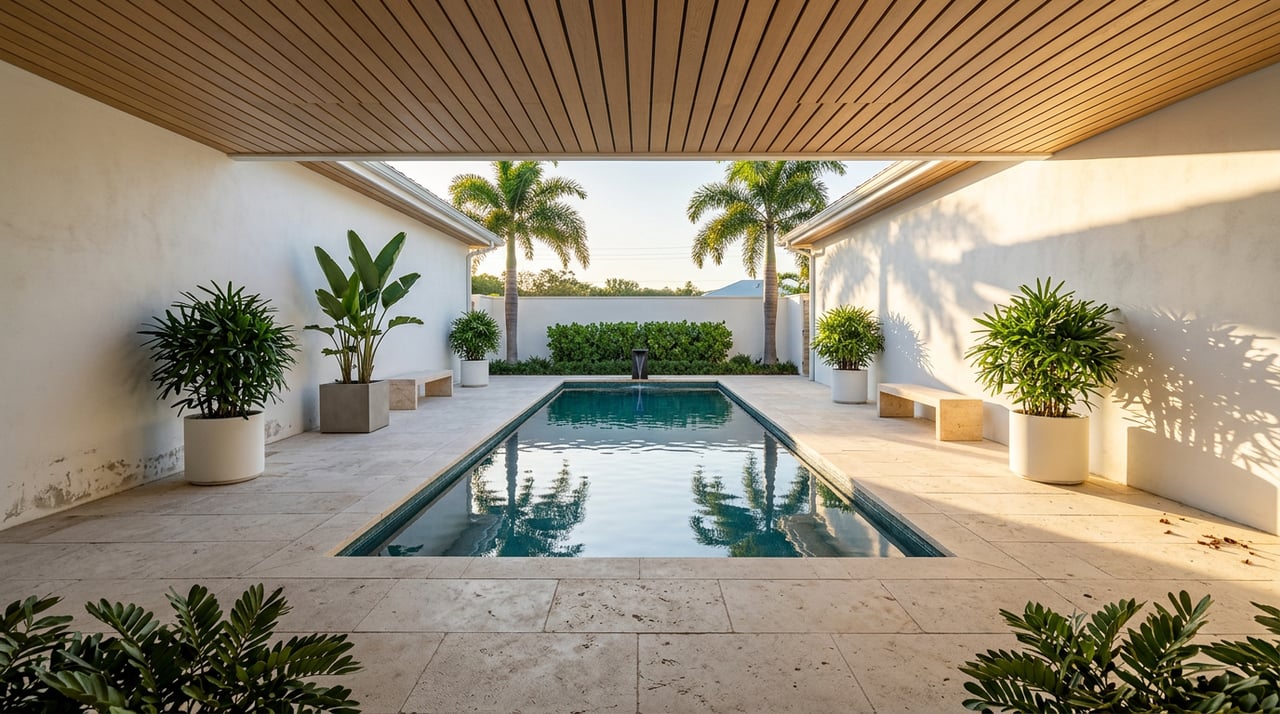
Beachfront properties focus on resort features. You will see expansive oceanfront pools, private beach access and cabanas, and larger terraces with direct exposure to sea breezes. Some buildings include marina or boat slip options nearby.
Coastal structures require heavier infrastructure like high‑capacity elevators and robust waterproofing. You will also find extensive hurricane protection and building systems designed for oceanfront conditions.
Walkability, transit, and access
Downtown access
If you value walkability, downtown is the stronger choice. You can cover most errands on foot and access rideshare and taxi pickup points easily. Proximity to business corridors and Boca Raton Regional Hospital adds convenience for year‑round routines.
Travel is straightforward. You can plan routes to PBI, FLL, or MIA depending on airline preference or private aviation needs. For many professionals, that blend of access and services is a deciding factor.
Beachfront access
Beachfront living shines for leisure but is more car‑dependent. You will walk to the sand and nearby dining nodes, but most errands require a drive or rideshare. Parking is commonly included, though you should confirm whether your spaces are deeded and how guest parking works.
If your daily priorities center on the beach and building amenities, that tradeoff is often worth it. For frequent restaurant hopping or errands throughout the day, plan on short drives instead of walks.
Costs, taxes, and carrying costs
Beachfront condos generally command a premium per square foot for unobstructed ocean views and private beach access. Downtown can offer better value relative to direct oceanfront, though the newest boutique luxury towers can narrow that gap.
Homeowner association fees vary. Oceanfront buildings typically face higher master insurance premiums and ongoing exterior maintenance obligations due to coastal exposure. Downtown luxury towers can still carry significant fees, but they may be lower than oceanfront communities with large outdoor complexes.
Florida does not have a state income tax. For many New York buyers, that is an important part of the total cost picture. Property taxes are set at the county and municipal level, so you should evaluate specific buildings and units before making assumptions.
Insurance, risk, and resilience
Risk profiles differ by location and building. Beachfront properties are in higher flood and storm‑surge zones, which affects insurance needs and potential costs. Downtown properties can still fall within FEMA flood zones in certain areas, so you should verify the designation for each address.
After the 2021 Surfside collapse, Florida increased oversight of building safety. Associations face more frequent structural inspections, reserve funding scrutiny, and building recertification requirements. This environment makes due diligence essential before closing on any condo.
Ask for engineering reports, recertification status, and recent association meeting minutes that mention assessments or repairs. Confirm the master insurance policy, what it covers, and how wind and flood coverage is structured for owners and the association.
Investment, resale, and rentals
Resale dynamics vary by segment. Trophy oceanfront units attract focused demand and can hold interest well, but they may trade less frequently at the highest price points. Downtown condos can appeal to a broader buyer pool, including year‑round residents and local executives, which may support liquidity outside ultra‑luxury tiers.
Rental rules are association specific. Many condos restrict or prohibit short‑term rentals, and some limit the number of leases per year or set minimum lease terms. Beachfront locations can perform well in seasonal rental markets where permitted, though insurance and maintenance costs affect net yields.
If rental flexibility matters, review the association’s rules early in your search. If long‑term appreciation and exit liquidity are higher priorities, compare buyer demand across both settings and focus on quality, building condition, and unique views or floor plans.
Who fits where
Matching priorities to place can speed up your decision.
- Downtown match: You want walkable access to dining and culture, live primarily year‑round, and prefer fast access to services and healthcare. You value social energy and convenience.
- Beachfront match: You want privacy and immediate beach access, favor an outdoor and resort style routine, and are comfortable with a more car‑based lifestyle for errands.
- Either setting: You split time seasonally and want turnkey living. Your final choice may hinge on insurance and HOA costs, rental rules, and which exact building aligns with your privacy and amenity preferences.
Your decision checklist
Rank these priorities to guide your choice. The category with the most checks typically wins.
- Primary use: full‑time residence or seasonal stay
- Daily lifestyle: active urban scene or beach and resort rhythm
- Privacy and security preferences
- Walkability to dining, culture, and services
- Tolerance for maintenance complexity and special assessments
- Concern about flood risk and insurance costs
- Liquidity and potential rental income needs
- Access to healthcare, private clubs, and household services
- Airport and travel preferences, including private aviation
If walkability, year‑round services, and liquidity rank highest, lean downtown. If ocean views, privacy, and direct beach access lead your list, lean beachfront.
Due diligence essentials
Before you commit, ask your advisor to assemble and review these items. This step protects your time and capital.
- Association documents: bylaws, declaration, rules, current budget, reserve study, audited financials, and recent board minutes
- Assessments and reserves: current reserve levels, planned projects, and any special assessments under discussion
- Insurance: association master policy limits and deductibles, what walls‑in coverage you need, flood and wind requirements
- Building condition: recent structural and engineering reports, concrete spalling or balcony work, roof and waterproofing history, exterior painting schedule
- Recertification: current status and timeline for required inspections, any citations or pending remediation
- Flood exposure: FEMA flood zone, elevation certificate if available, and any known historical flooding incidents
- Legal checks: active litigation involving the association or developer
- Use and leasing: rental restrictions, minimum lease terms, investor caps, and guest policies
- Parking and storage: deeded spaces, guest parking rules, and storage availability
- Surroundings: walkability, access to dining and medical services, and any planned city projects that could affect neighborhood character
How we help high‑net‑worth buyers
The Pitlake Group is a boutique, founder‑led team under Douglas Elliman with deep expertise in Boca Raton luxury condominiums and new development. Our NYC pedigree and ongoing presence in South Florida let us guide relocators and local buyers with precise insights and senior‑level representation.
We are active at marquee downtown addresses, including ALINA Residences, and we know the strengths and tradeoffs of beachfront buildings along A1A. Our process is white‑glove and systems driven. We curate options, coordinate due diligence, and help you compare true carrying costs, insurance, and building condition so you can move quickly and wisely.
Ready to map your priorities to the right Boca condo and see a refined short list? Schedule a Private Consultation with Edward Pitlake to get a confidential, expert plan for your purchase.
FAQs
How do downtown and beachfront condo costs in Boca Raton typically compare?
- Beachfront units usually command a premium per square foot for direct ocean views, while downtown can offer relative value unless you focus on the newest boutique luxury towers.
What insurance differences should Boca Raton condo buyers expect between downtown and beachfront?
- Beachfront buildings face higher flood and storm‑surge exposure, which can increase master policy and unit insurance costs. Downtown exposure varies by FEMA zone and building.
Are there special building rules or inspections I should know about in Boca Raton?
- Yes. Post‑2021, Florida increased structural inspections, reserve standards, and recertification oversight. Review engineering reports, reserves, and board minutes before you buy.
Is downtown Boca Raton better for year‑round living than the beachfront?
- Often yes for quick access to dining, services, and medical care. Many beachfront owners live full time as well, so the choice depends on your daily lifestyle preferences.
What should I review first in a condo association before making an offer?
- Start with the current budget, reserve study, audited financials, master insurance summary, recent board minutes, and any notices about assessments or major repairs.