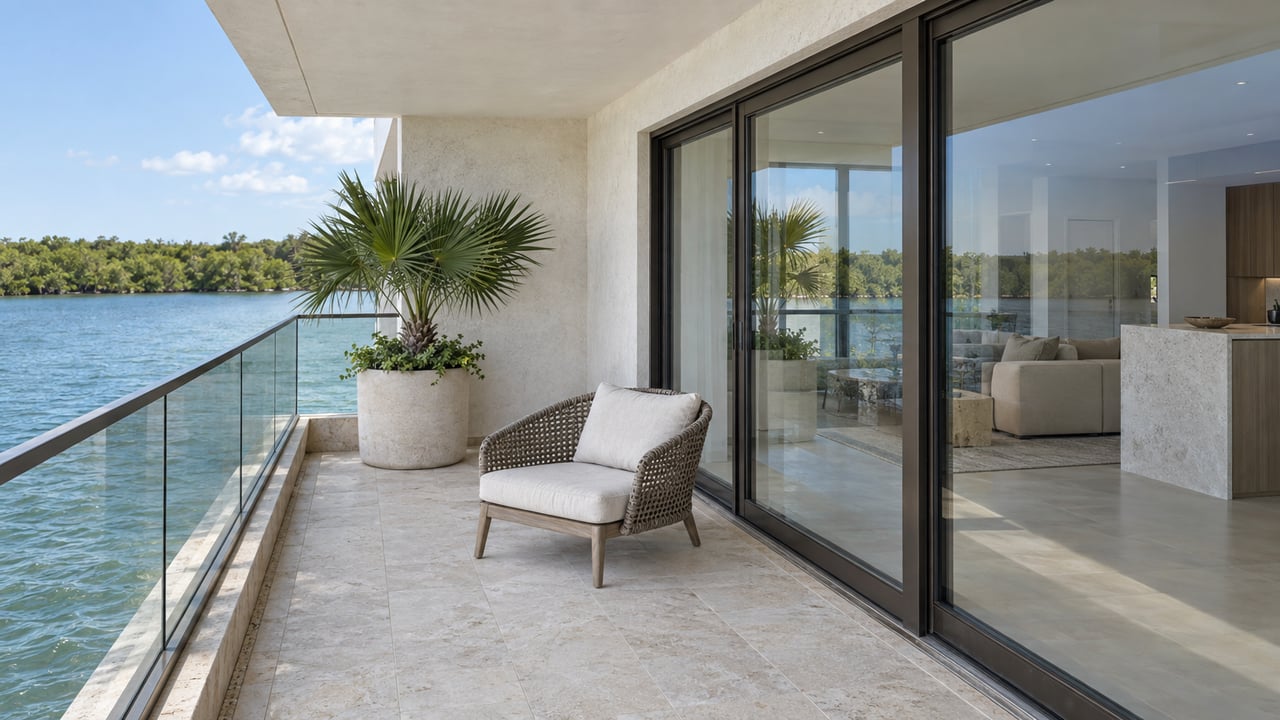
Imagine walking to dinner on the river, biking to the beach, and hosting friends on your balcony with boats gliding by below. If that sounds like your ideal day, Las Olas Boulevard may be the right fit. As a buyer, you want the romance and the reality in one clear picture. In this guide, you’ll learn what you can buy, how much to budget, the rules that matter, and the lifestyle details that make Las Olas unique. Let’s dive in.
Las Olas at a glance
Las Olas Boulevard connects downtown Fort Lauderdale to the beach and serves as the city’s signature dining and shopping corridor. The most active stretch runs from the New River to the beach bridge and blends boutiques, galleries, and riverfront restaurants in a walkable setting. For a quick primer on the boulevard’s geography and history, review the overview on Las Olas Boulevard.
Downtown and Las Olas together draw heavy year‑round foot traffic from residents and visitors. The district’s visitation and ongoing growth are covered in the Downtown Development Authority’s look at the corridor in Las Olas Rising.
Why buyers choose Las Olas
You get an urban‑coastal lifestyle with everyday access to riverfront dining, boutique shopping, and the beach. If you prefer to leave the car parked, central Las Olas addresses typically post a “very walkable” score, which you can see on a sample Walk Score snapshot. Yachting culture is also a big part of the appeal, with a strong marina network and services that support boat owners.
Each fall, the Fort Lauderdale International Boat Show anchors the season and brings significant energy to the neighborhood. FLIBS regularly draws more than 100,000 attendees, underscoring the scale of the local marine scene. Learn more about the event at the Fort Lauderdale International Boat Show and explore marina amenities through Bahia Mar Yachting Center.
What you can buy on or near Las Olas
Micro‑markets vary by building, view, and condition, but these ranges help you orient your search.
Pied‑à‑terre and seasonal condos
Smaller one‑ and two‑bedroom condos on or near the boulevard often deliver a lock‑and‑leave setup with services tailored to seasonal living. As a ballpark, many options fall around the $300,000 to $900,000 range. Finishes, water views, parking, and building amenities drive the spread.
Full‑service luxury condos and riverfront towers
Buildings on the New River and near Las Olas with hotel‑style amenities often command higher prices. Depending on size and floor, you can expect a range that starts in the mid to high six figures and moves into the multi‑million dollar tier. Prime addresses and new or recently delivered product can reach $1.6 million to $10 million and above.
Waterfront single‑family on the isles
The Las Olas Isles offer deepwater, ocean‑access living with private docks and wide canals. These are consistently high‑end markets, commonly ranging from $2 million to $20 million and higher for trophy lots or new construction. If you want your boat at your back door with quick ocean access, plan for a multi‑million dollar purchase.
New development and premium product
Recent and planned luxury towers continue to push per‑square‑foot pricing for premium views and finishes. In select buildings and penthouses, you can see pricing at $1,000 per square foot and above. Product scarcity, line orientation, and floor height all influence the final number.
HOA and common charges
Monthly association fees vary widely. Older mid‑rise buildings or boutique properties can be a few hundred dollars to around $1,000 per month. Full‑service downtown towers with large amenity decks, valet, and concierge often run in the thousands per month. Always review the budget, reserves, and pending assessments before you commit.
Lifestyle logistics: access, boat, and beach
Walkability and getting around
Central Las Olas is easy to navigate on foot for dining, fitness, and everyday shopping. Local bus routes, trolleys, and water taxi options add flexibility, and ride‑share is widely available. Fort Lauderdale–Hollywood International Airport is roughly 5 to 7 miles away, which is convenient if you fly in and out seasonally.
Beach and marinas
The boulevard meets the ocean at Fort Lauderdale Beach, so sunrise walks and quick swims can be part of your daily routine. Boat owners benefit from a robust marina ecosystem, including Bahia Mar, Las Olas Marina, and Pier Sixty‑Six. The concentration of services makes pre‑trip prep and maintenance straightforward, and Bahia Mar Yachting Center gives a sense of on‑site amenities.
Seasonality and events
High season runs roughly November through April, with the heaviest activity during holidays and event weeks. FLIBS in October also brings crowds and traffic patterns that you will notice. If you prefer a quieter pace, visit during peak weeks to understand building access, valet flow, and guest parking. The DDA’s Las Olas Rising provides useful context on how the corridor performs during high‑demand periods.
Rules, risks, and carrying costs to plan for
Florida condo safety laws: milestone inspections and SIRS
Florida now requires a structural milestone inspection for most condo and co‑op buildings that are three or more stories. The first inspection typically occurs in the building’s 30th year, then every 10 years. Ask for the engineer’s milestone report as part of your review, and read the timelines in Florida Statutes, Chapter 553.
Associations with buildings three or more stories must also complete a Structural Integrity Reserve Study, known as a SIRS. Depending on the building’s age, some deadlines extend into late 2025, and studies must be updated every 10 years. SIRS findings can lead to mandatory reserve funding or special assessments, so request the report and board minutes early. For state guidance, see the SIRS FAQ from MyFloridaLicense.
Short‑term rentals and registration
If you plan to rent your unit, review both city rules and the condo’s governing documents. The City of Fort Lauderdale requires vacation rental registration and an annual certificate, plus a safety inspection and other licensing steps. Condo associations may prohibit or limit short‑term rentals even when the city process is available. Start with the city’s Vacation Rental Program to understand the basics.
Flood zones, Risk Rating 2.0, and insurance
Las Olas and the barrier‑island corridor include low‑lying areas with tidal and storm‑related flood risk. Mortgage lenders typically require flood insurance when properties are in Special Flood Hazard Areas. Check FEMA maps and city resources, and speak with your insurance advisor early. The city’s flood page outlines programs and resources at Fort Lauderdale Flood and Insurance Information.
FEMA’s Risk Rating 2.0 changed how the National Flood Insurance Program prices risk, using more property‑specific factors, which can impact premiums. Review how this may apply to your address through this policy overview at Risk Rating 2.0 background. In addition to flood, coastal properties typically need wind or hurricane coverage. Obtain flood and wind quotes early and build those premiums and deductibles into your purchase plan.
Docks, seawalls, and slip rights
If you are buying on the isles or in a building with marina access, inspect anything that touches the water. Confirm seawall condition, dock permits, and who is responsible for repairs. For condo marinas, clarify how slips are assigned, transferred, or leased, and whether your unit holds deeded or priority rights. Verify slip dimensions and water depth against your boat plans before you finalize terms.
Buyer checklist for Las Olas
Use this as a quick framework when you are comparing properties.
- Request the building’s milestone inspection report, the SIRS, and any engineer updates. Confirm timelines and whether required repairs or assessments are in place. Reference the statute for context via Florida Chapter 553.
- Review association documents. Ask for the current budget, reserve study, 12–24 months of board minutes, insurance certificates, and all special assessment notices. Pay close attention to rental restrictions and guest policies.
- Price your risk. Obtain preliminary flood and wind quotes for the building and unit. Use the city’s flood resources at Fort Lauderdale Flood and Insurance Information and discuss Risk Rating 2.0 implications.
- Walk the neighborhood in peak season and off‑season. Test drive times, garage access, valet operations, and delivery drop‑offs. Visit during evenings and weekends to gauge noise and pedestrian volumes.
- If you plan to rent, confirm city registration steps and association rules up front. Start with the Vacation Rental Program and verify that the building allows your intended term and frequency.
- For waterfront homes and condo marinas, inspect seawalls and docks, pull permit history, and verify who pays for maintenance. Confirm slip availability, size, and transferability in writing.
- Align your timing and budget with seasonality. If you want to close before high season or avoid event weeks, work backward from your target occupancy date.
Is Las Olas right for you?
If you value a lively, walkable scene that blends river, beach, and boating, Las Olas is hard to match. You will find options from efficient pied‑à‑terre condos to full‑service towers and deepwater estates, each with a distinct cost profile. The key is to pair the lifestyle you want with clear due diligence on inspections, reserves, flood, wind, and any marina or rental rules.
If you are weighing specific buildings or planning a cross‑market move, let a senior team help you design the path. For private guidance and curated options that fit your goals, connect with Edward Pitlake.
FAQs
What is Las Olas Boulevard and why do buyers consider it?
- Las Olas is a walkable corridor that links downtown Fort Lauderdale to the beach, offering riverfront dining, boutiques, and easy access to marinas and events like the Fort Lauderdale International Boat Show.
How much do condos on or near Las Olas typically cost?
- Smaller one‑ and two‑bedroom condos commonly range around $300,000 to $900,000, while full‑service luxury towers often start in the mid six figures and extend into multi‑million dollar prices depending on size, views, and amenities.
What are Florida condo milestone inspections and SIRS, and why do they matter?
- Most 3‑plus story condos must complete periodic structural milestone inspections and maintain a Structural Integrity Reserve Study; findings can drive reserve funding and assessments, which impact your carrying costs and financing.
Can I use a Las Olas condo for short‑term rentals?
- It depends on both city rules and your building’s documents; Fort Lauderdale requires vacation rental registration and inspections, and many associations restrict or prohibit short‑term rentals regardless of city allowances.
How does flood insurance work for Las Olas properties?
- Flood risk is address‑specific and premiums are priced under FEMA’s Risk Rating 2.0 methodology; check maps, request quotes early, and understand how the building’s master flood policy and your unit policy share coverage and deductibles.
What should yacht owners verify before buying on the Las Olas Isles?
- Confirm seawall condition, dock permits, water depth, and slip rights; verify whether slips are deeded or assigned and whether sizes and clearances match your vessel before you finalize terms.