Trying to decide between an oceanfront or bayfront condo in Bal Harbour? You are not alone. Each side of the island delivers a distinct rhythm of light, water, and daily experience that shapes how you live. This guide breaks down the real differences in views, privacy, beach and boating access, amenities, costs, and risk so you can buy with confidence. Let’s dive in.
Bal Harbour at a glance
Bal Harbour is a compact luxury village at the north tip of the Miami Beach barrier island, nestled between the Atlantic to the east and Biscayne Bay to the west. It is known for its beachfront hotels and residences, plus the world‑class Bal Harbour Shops. You can confirm this unique setup in the Village’s official fact sheet, which highlights both ocean and bay exposures within a short walk of retail and hotels. (Bal Harbour fact sheet)
Oceanfront condos: what you gain
Views and light
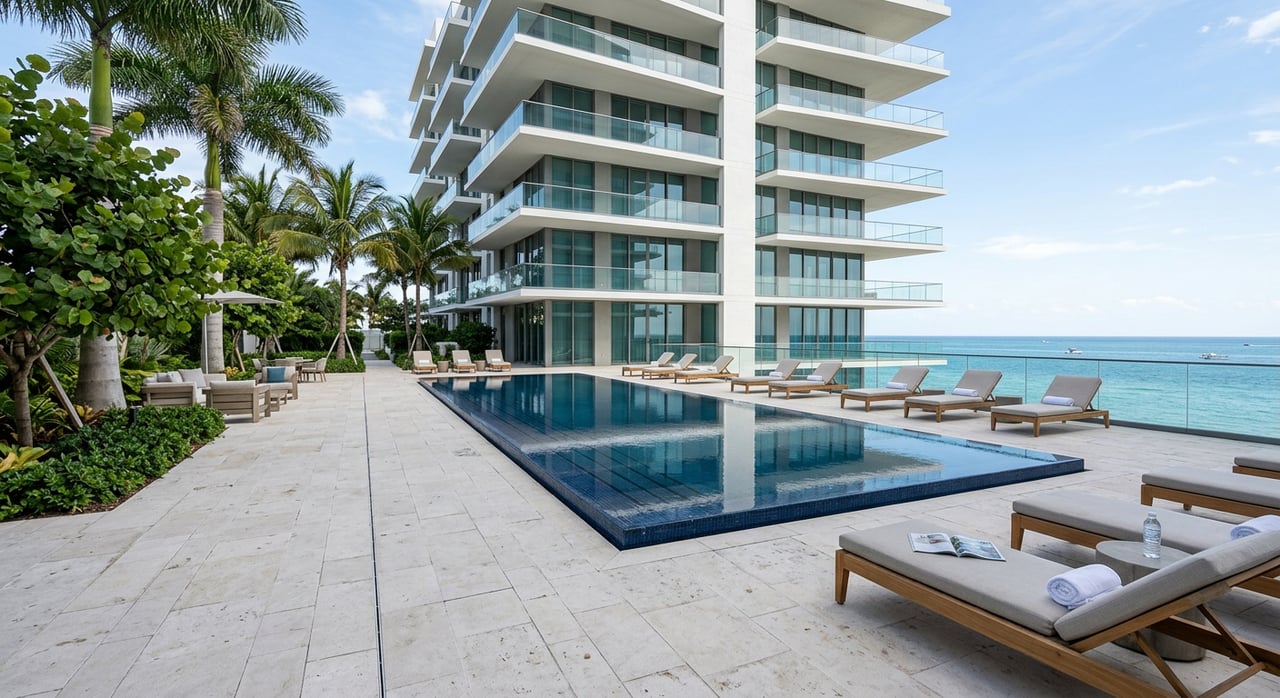
Oceanfront lines face east to the Atlantic with wide, unobstructed horizons and vivid sunrise light. The open sea backdrop delivers the classic beachfront feel many buyers seek.
Beach access and services
Many oceanfront towers offer direct resident entry points to the sand along with on‑site beach service such as chairs, cabanas, and attendants. Florida emphasizes public beach access, so think in terms of resident‑only services and controlled entry rather than private ownership of the shoreline. For an example of oceanfront resort amenities and beach programming, see the St. Regis Bal Harbour fact sheet.
Activity level and foot traffic
Proximity to hotels and Bal Harbour Shops can bring seasonal energy and more visitor activity. If you prefer quiet, upper‑floor residences or lines that face away from public corridors often feel more serene. The Shops themselves are a major, year‑round draw that shapes local rhythms. For background on their influence, review Bal Harbour Shops’ history.
Amenities and fees
Oceanfront resort‑style buildings often deliver expansive service stacks: private beach services, multiple pools, spa/fitness, dining, concierge, and valet. That level of staffing usually correlates with higher monthly association fees. Always compare budgets and services side by side.
Exposure and upkeep
Oceanfront exposures take on stronger winds, salt spray, and surf during storms. Salt and chloride deposition can accelerate exterior corrosion and drive more frequent envelope maintenance and concrete repair cycles over time. Coastal engineering guidance documents higher corrosion rates near the shoreline, which helps explain why reserve planning matters. See the U.S. coastal engineering manual for context on shoreline corrosion mechanisms. (Coastal engineering guidance)
Bayfront condos: what you gain
Views and sunsets
Bayfront residences face west or northwest across Biscayne Bay toward small islands and the Miami skyline. Expect calmer water, evening glow, and city lights after dark. It is a quieter, sheltered water experience compared with open‑ocean surf.
Boating convenience
If boating is part of your lifestyle, bayfront living has a practical edge. The closest full‑service public facilities are at Haulover Park’s Bill Bird Marina and the adjacent Haulover Marine Center for dry storage, fuel, service, and wet slips. Slip availability changes, so verify waitlists and transient options directly with the county. (Bill Bird Marina details)
Quieter setting
Bayfront buildings often see less public foot traffic compared with oceanfront resort corridors. Pool decks and amenity terraces can feel more low‑key, especially during high‑season weekends.
Amenities and fees
Many bayfront towers still offer full‑service staffing and luxe amenities, though the mix can tilt toward bayside decks, boardwalks, and garage convenience. Where docks or marina access are included, expect separate marina management or fees.
Sheltered conditions
The bay side is generally more protected from direct surf and strongest winds. While both sides share coastal exposure, sheltered conditions can influence how frequently exterior elements require attention, which in turn affects long‑term reserves.
Pricing and market position
Bal Harbour and neighboring Surfside are among Miami’s premier luxury condo markets. Recent reporting shows the area ranks high by price per square foot in the luxury segment, underscoring the premium positioning for both ocean and bay towers. Line, floor, exposure, building pedigree, and amenity stack drive the specific premium within each property, so you should confirm current comps before making assumptions. For market context, review the Q1 2025 Miami luxury condo report.
Risk, insurance, and building safety to verify
Both oceanfront and bayfront condos sit on a barrier island, so flood, storm surge, and sea‑level exposure are part of responsible due diligence. You should:
- Check FEMA flood panels for the property and obtain the building’s elevation certificate before you quote insurance. Flood coverage is separate from a standard condo policy. Start with the FEMA Flood Map Service Center.
- Review planning‑level sea‑level guidance to understand long‑term context. The NOAA Sea Level Rise Viewer is the standard regional starting point.
- Request the building’s milestone inspection and Structural Integrity Reserve Study (SIRS). Florida now requires these for many multi‑story condos, and the results affect assessments, reserves, and financing. See statute details in Florida Statutes 718.112.
- Examine association insurance and budgets, including hurricane deductibles and any special assessments.
- Confirm rental policies and any Village rules that affect leasing timelines or hotel‑style programs, and verify directly with the association.
Boater’s checklist for Bal Harbour
If boating is central to your decision, add these steps:
- Confirm on‑site docks or dedicated slips at the building, if any. Ask whether they are deeded, assigned, or leased.
- Verify slip counts, waitlists, and transient policies at nearby county facilities, especially at Bill Bird Marina in Haulover Park.
- Clarify whether marina infrastructure is managed by the association or a third party, which can affect fees and availability.
Quick compare: oceanfront vs bayfront
Oceanfront basics
- Sunrise horizons, open‑sea vistas, beach‑forward lifestyle.
- Higher likelihood of resort‑style staffing, pools, spa, and dining.
- More seasonal foot traffic near hotels and retail corridors.
- Greater exposure to wind, spray, and coastal wear.
Bayfront basics
- Sunset views, skyline lights, and calmer water ambiance.
- Proximity to boating routes and county marinas.
- Often quieter amenity decks and lower public foot traffic.
- More sheltered microclimate on stormy days.
Which side fits your lifestyle?
Best for the beach‑focused luxury buyer
- You want sunrise views, curated beach services, and a resort‑adjacent lifestyle with dining and spa steps away.
Best for the boating and sunsets buyer
- You prize calm‑water views, easy access to marinas and intracoastal routes, and a quieter daily setting.
Buyer due‑diligence checklist
Use this as a working list before you submit an offer:
- Confirm the unit’s orientation and exposure. Decide if sunrise or sunset is a must‑have.
- Request the building’s milestone inspection and SIRS, plus current reserve balances. Florida requires these for many condos and lenders review them. (Statute 718.112)
- Pull the FEMA flood zone, secure the elevation certificate, and get current quotes for HO‑6 and flood. (FEMA Map Center)
- Review the association’s most recent insurance renewals, including hurricane deductibles and special coverages.
- If boating matters, verify on‑site dock policies or marina agreements, and check county slip availability and waitlists. (Bill Bird Marina)
- Ask about exterior envelope programs, including painting, balcony waterproofing, and any planned concrete repairs related to shoreline corrosion. (Coastal maintenance context)
- Confirm leasing rules and any Village requirements that impact rental timelines.
Ready to compare specific buildings?
The right side of the island depends on how you want to live day to day. If you are weighing exact lines, floor heights, and amenity stacks, we can assemble a building packet that includes milestone inspections, SIRS, budgets, insurance letters, elevation certificates, and current comps so you can move forward with clarity. To start a tailored search, contact Edward Pitlake. Schedule a Private Consultation.
FAQs
What is the core difference between oceanfront and bayfront condos in Bal Harbour?
- Oceanfront emphasizes sunrise horizons and direct beach‑side living, while bayfront centers on sunset views, calmer water, and proximity to boating routes across Biscayne Bay.
How close are bayfront condos to marinas in Bal Harbour?
- The nearest full‑service public facilities are at Haulover Park’s Bill Bird Marina, a short drive from Bal Harbour, with fuel, service, and wet slips subject to availability. (Bill Bird Marina details)
Do oceanfront buildings in Florida have private beaches?
- Florida prioritizes public beach access, so buildings provide resident‑only services and controlled entry rather than private ownership of the shoreline, often detailed in resort fact sheets.
How do flood zones and insurance affect Bal Harbour condos?
- You should check FEMA flood maps, get the elevation certificate, and quote separate flood coverage because both ocean and bay sides face coastal flood and surge risk. (FEMA Map Center)
What condo safety documents should I request in Florida?
- Ask for the building’s milestone inspection and Structural Integrity Reserve Study, required by Florida law for many multi‑story condos, along with current reserve balances. (Statute 718.112)
Are oceanfront condos always pricier than bayfront in Bal Harbour?
- Both sides command premium pricing and the specific premium depends on line, floor, exposure, and building pedigree, so verify with current neighborhood comps and market reports. (Luxury market context)