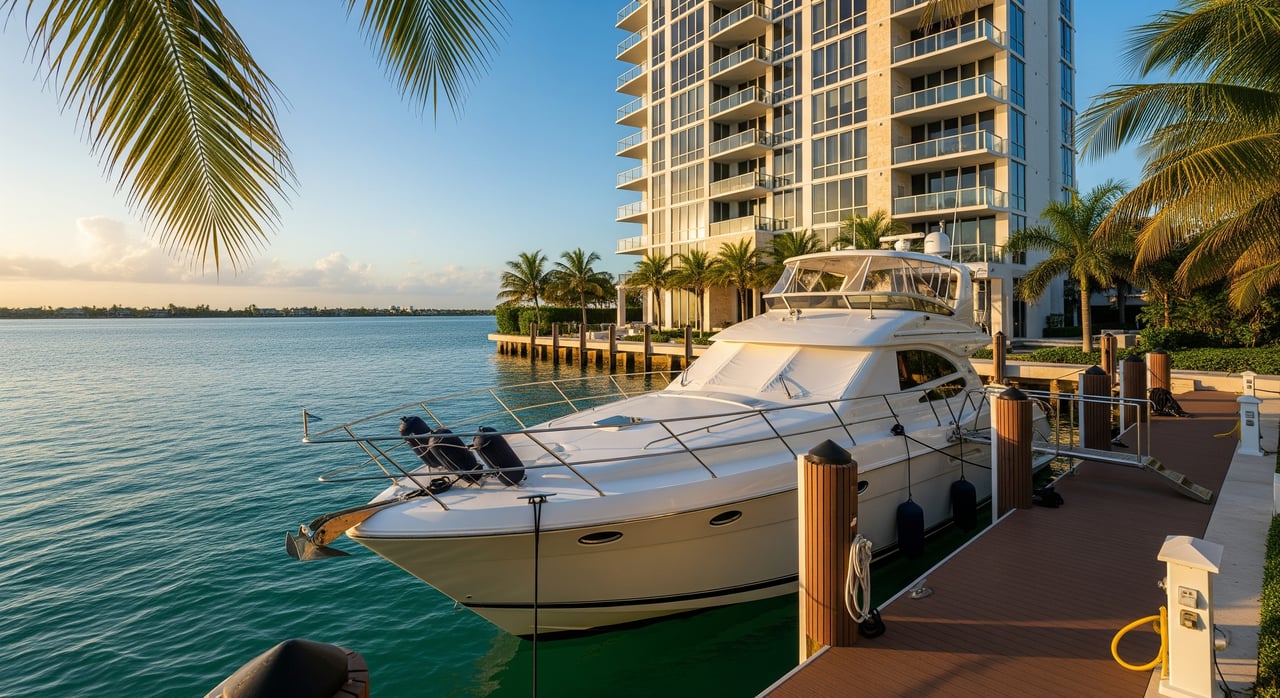
Wish you could ride the elevator down, untie the lines, and be on the Intracoastal within minutes? If you are exploring Aventura for a condo with true boating convenience, the choices can look similar at first glance but work very differently once you factor in slip rights, water depth, and storm planning. You deserve a clear path that fits your boat and your lifestyle. This guide breaks down the models of marina access, the checks that matter, and a shortlist of places to investigate so you can buy with confidence. Let’s dive in.
Why Aventura works for boaters
Aventura sits along the Intracoastal Waterway between Sunny Isles Beach and Hallandale Beach. Many buildings line protected channels that connect directly to Biscayne Bay. For day runs to sandbars, nearshore fishing, or cruising south toward Miami, the location is practical and time efficient.
You will also find a network of nearby marinas, service yards, and fuel docks across Aventura, North Miami Beach, Sunny Isles, and Bal Harbour. That mix gives you options for on‑site docking, guest slips, and haul‑out support when you need it most.
Types of condo boat access
Not all “marina access” is the same. In Aventura you will see several models:
- Deeded slips: A slip is conveyed as real property with the unit or as a separate deed. This is often the most secure model for owners. Verify deed status in county records.
- Leasehold or assigned slips: The association leases a marina or owns the docks and assigns slip usage. Confirm assignment rules, term lengths, and transfer rights.
- On‑site, managed marina: The HOA or a marina operator runs a shared facility with staff, utilities, and guest policies. Access can be excellent, but rules vary.
- Nearby partner marinas: Some buildings offer resident priority at a nearby commercial marina. Always confirm terms in writing.
- Proximity without slips: A condo may sit close to public marinas or launch ramps that meet your needs, especially for smaller craft.
How to compare buildings
Focus on practical, boat‑first criteria:
- Slip fit and water depth: Verify length overall and beam limits, plus posted depth at mean low water.
- Bridge and clearance: Check vertical clearance on your route to open water. Sailboats and tall flybridges must confirm fit.
- Dock systems and utilities: Fixed vs floating, 30 or 50 amp power, water, lighting, Wi‑Fi, and pump‑out access.
- Staffing and security: Dockmaster presence, cameras, controlled gates, and guest slip procedures.
- Service reach: Time to the nearest fuel dock, chandlery, mobile mechanics, and haul‑out yard.
- Hurricane readiness: Written storm plan, haul‑out relationships, and insurance requirements.
- Costs and transfer rules: Deeded‑slip pricing or HOA slip fees, transferability, and any wait lists.
Buyer verification checklist
Use this on every property you tour. Ask for documents in writing.
Slip and water access
- Is a slip assigned to the unit? What is the legal status: deeded, limited common element, association owned, or leasehold?
- Exact slip dimensions and posted depth at mean low water.
- Vertical clearance on the route to open water. Any low‑tide restrictions or shoaling?
Marina services and operation
- Dock type, electrical service (amps/voltage), water, lighting, Wi‑Fi, and pump‑out.
- Presence of dockmaster or attendants and security measures.
- Guest and transient slip policy and reservation process.
- On‑site fueling or the nearest fuel dock and operating hours.
Legal, financial, and operational
- Relevant pages of the condominium declaration and any marina lease agreements.
- HOA meeting minutes for the past three years related to docks, seawalls, and any litigation.
- Reserve study and known special assessments for marina or seawall work.
- Slip transfer rules and fees.
Insurance and hurricane prep
- Minimum vessel liability and hull coverage required by the HOA.
- Written hurricane procedures and any agreements with yards for haul‑out.
Daily usability
- Typical time from slip to open water in normal conditions.
- Seasonal shoaling patterns and local traffic or wake conditions.
- Nearby provisioning: marinas, chandleries, groceries, and fuel.
For seasonal owners
- Guest slip availability in peak season.
- Rules for leaving a vessel unattended and options for yard storage.
- HOA and on‑site manager responsiveness during off‑season.
Service levels to expect
Aventura buildings tend to fall into clear service profiles. Match them to your boating style and budget.
- Basic marina: Fixed docks, limited shore power, minimal staff. Lower cost, more owner responsibility.
- Managed marina: Dockmaster on site, assigned slips, security, and basic pump‑out. Good for frequent local use.
- Full‑service setting: Fueling, nearby haul‑out or repair yard access, and concierge touches. Highest convenience and cost.
- Private or deeded slip model: Strongest control for owners but with added property tax and closing steps. Verify transferability if you plan to sell or rent the slip.
Key metrics to compare across options include slip LOA and beam ratings, depth at low tide, minutes to open water, access to fuel and pump‑out within 15 to 30 minutes, hurricane and insurance policies, and the cost structure for ownership or assignment.
Hurricane season and insurance essentials
South Florida marina rules are shaped by storms. Ask how the building secures docks and vessels, what the timelines are for storm prep, and whether owners must move boats in named storms. Confirm your vessel coverage meets HOA minimums and whether the HOA’s policy structure affects deductibles related to dock damage.
If haul‑out is part of the plan, verify yard capacity and how reservations work in peak season. A written procedure will save time when weather windows are short.
Nearby marinas and services
If your building does not include an on‑site slip or you want added flexibility, explore nearby facilities:
- Oleta River State Park Marina in North Miami Beach for public launch and small‑craft day use.
- Haulover Park and Haulover Marina for transient slips and charter activity. Verify current slip programs and services.
- Private marinas and yacht clubs along the Intracoastal and Biscayne Bay with seasonal or wait‑list programs.
- Commercial boatyards in Miami‑Dade and nearby Broward County for haul‑out, repair, and storage.
Services, depths, and slip inventories change. Always confirm details directly with operators.
Boat‑friendly buildings to investigate
Aventura and adjacent neighborhoods feature many waterfront towers with marina access of some kind. Treat every claim as a starting point and verify the legal model and slip specs.
- Williams Island: A private island community adjacent to Aventura that has historically offered yacht and marina amenities. Confirm current slip ownership, assignment practices, and resident access with property management and county deed records.
- Other waterfront towers along the Intracoastal and Biscayne Bay: Many advertise marina facilities or resident access to nearby marinas. Verify slip legal status, LOA and beam limits, depth, and transfer rules before you write an offer.
A step‑by‑step workflow
Follow a simple process to reduce surprises and negotiate from strength:
- Build a shortlist of buildings that advertise marina access and fit your target location.
- Request the condo declaration pages, plats, and any recorded marina leases.
- Get exact slip specifications, current depth measurements, and relevant tide and clearance data.
- Speak with the marina manager or dockmaster about daily operations, guest policies, and hurricane procedures.
- Review HOA minutes and reserve studies for maintenance history and assessments.
- Check county deed records to confirm deeded, leasehold, or association‑owned slips.
- Use a marine surveyor to evaluate docks and a Florida condo or marina attorney to review transfer language.
- Confirm vessel insurance requirements and premium implications by slip type.
Work with a team that understands boats and buildings
If you want an Aventura condo that truly supports your boating life, you need a calm, expert process and senior‑level guidance. Our team blends development‑grade due diligence with concierge service so you can focus on the lifestyle while we verify the details that protect your purchase.
Ready to refine your shortlist and confirm slip options with confidence? Connect with Edward Pitlake for a private consultation and a tailored plan.
FAQs
What makes a condo “boat‑friendly” in Aventura?
- Look for verifiable slip access, adequate depth at mean low water, practical clearance to open water, reliable shore power, and clear hurricane procedures.
How do deeded slips differ from assigned slips?
- Deeded slips are real property that transfer by deed. Assigned or leasehold slips rely on HOA rules or leases and can change, so confirm terms and transfer rights.
How fast can I reach open water from Aventura?
- It depends on your specific slip location, bridge schedules, and traffic. Ask the dockmaster for typical transit times from the slip you would use.
What should seasonal owners confirm before closing?
- Ask about peak‑season guest slip access, rules for leaving a boat unattended, off‑season monitoring, and options for secure yard storage or haul‑out.
Do HOAs allow renters to use the slip?
- Policies vary. Some HOAs restrict slip access for renters or ban short‑term rental use. Review the declaration and marina rules in writing.
Which nearby facilities help if my building lacks slips?
- Explore Oleta River State Park Marina, Haulover Marina, private marinas along the Intracoastal, and regional boatyards for fueling, transient docking, and service support.